MiMo-V2.6 API: Pro and Flash Pricing and Setup
MiMo-V2.6 Pro API is $0.435/$0.87 per 1M tokens. Flash is $0.14/$0.28. Both are live as mimo-v2.6-pro and mimo-v2.6-flash.
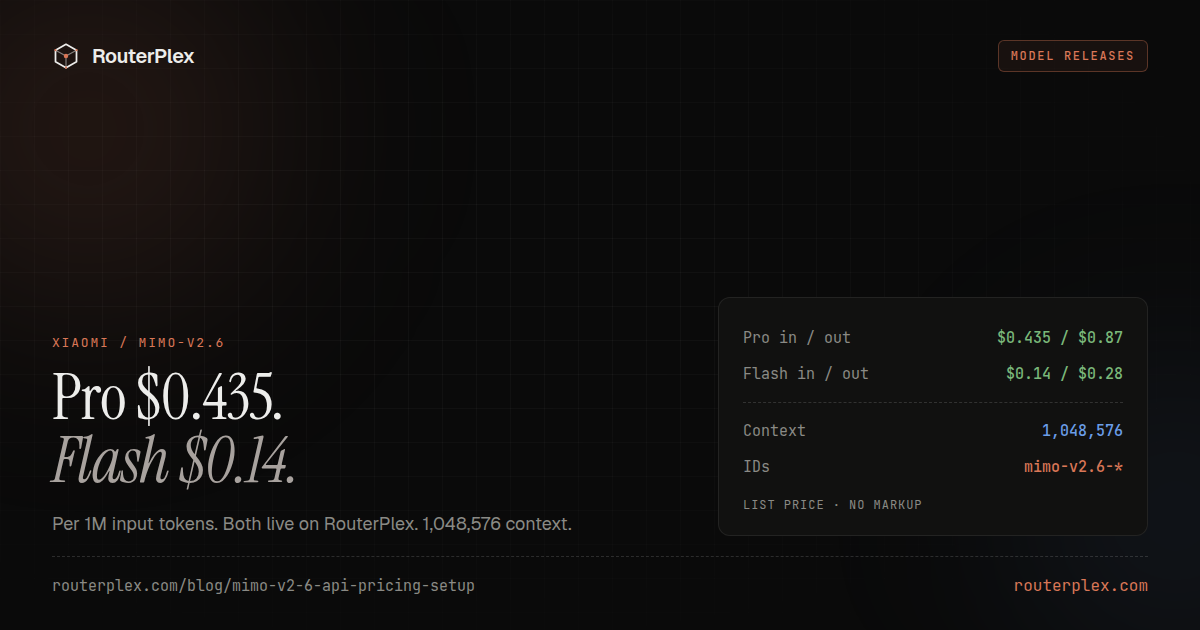
Xiaomi released the MiMo-V2.6 series on 22 September 2026. Two IDs are live on RouterPlex: mimo-v2.6-pro at $0.435 per 1M input tokens and $0.87 per 1M output tokens, and mimo-v2.6-flash at $0.14 per 1M input and $0.28 per 1M output.
Both rows list 1,048,576 tokens of context, a 131,072-token output cap, image input, tool calling, and reasoning. That is the public catalog checked on 22 September 2026.
Sources: Xiaomi's Introducing MiMo-V2.6 post (22 September 2026), the public benchmark snapshot in that page's bench.js (same date), Xiaomi's pay-as-you-go pricing, and the live RouterPlex catalog, checked 22 September 2026. Rates change. Confirm the Pro page and the Flash page before you lock a budget.
MiMo-V2.6 API pricing #
USD per 1M tokens. The first two rows are the RouterPlex sell prices, which match Xiaomi's 22 September 2026 cache-miss input and output rates. The V2.5 rows are the older IDs still on this catalog.
| Model | RouterPlex ID | Input | Output | Context | Max output |
|---|---|---|---|---|---|
| MiMo-V2.6 Pro | mimo-v2.6-pro | $0.435 | $0.87 | 1,048,576 | 131,072 |
| MiMo-V2.6 Flash | mimo-v2.6-flash | $0.14 | $0.28 | 1,048,576 | 131,072 |
| MiMo-V2.5 Pro | mimo-v2.5-pro | $0.44 | $0.87 | 1,000,000 | 131,072 |
| MiMo-V2.5 | mimo-v2.5 | $0.11 | $0.28 | 1,000,000 | 131,072 |
Xiaomi's launch post says V2.6 keeps V2.5 API pricing. On the table they published that day, Flash is $0.14 / $0.28 and Pro is $0.435 / $0.87. RouterPlex bills those V2.6 rates. The older catalog stickers are close and not identical: V2.5 Pro is $0.44 input, and the non-Pro V2.5 ID is $0.11 input.
Xiaomi also publishes a cache-hit input rate, and says cache writes are free for a limited time:
| Xiaomi SKU | Cache-hit input | Cache-miss input | Output |
|---|---|---|---|
| MiMo-V2.6-Flash | $0.0028 | $0.14 | $0.28 |
| MiMo-V2.6-Pro | $0.0036 | $0.435 | $0.87 |
| MiMo-V2.6-Pro-UltraSpeed | $0.036 | $4.35 | $8.70 |
On RouterPlex, cached prompt tokens for both V2.6 IDs bill at the full input rate. The live catalog returns no separate cache-read price. Price a cache-heavy agent loop at $0.435 (Pro) or $0.14 (Flash) per 1M input until those model pages show a cache row.
A 40,000-in / 2,000-out turn with no cache costs $0.01914 on Pro and $0.00616 on Flash. The same turn is $0.01934 on mimo-v2.5-pro and $0.00496 on mimo-v2.5.
A $5 prepaid balance covers about 11.49 million Pro input tokens, or 5.75 million Pro output tokens, if a workload used only one side. On Flash that same $5 covers about 35.71 million input tokens, or 17.86 million output tokens. Real requests mix both. Reasoning tokens bill as output.
Pro, Flash, and the V2.5 IDs #
mimo-v2.6-pro | mimo-v2.6-flash | mimo-v2.5-pro | mimo-v2.5 | |
|---|---|---|---|---|
| Input / output | $0.435 / $0.87 | $0.14 / $0.28 | $0.44 / $0.87 | $0.11 / $0.28 |
| Context on RouterPlex | 1,048,576 | 1,048,576 | 1,000,000 | 1,000,000 |
| Image input | Yes | Yes | No | Yes |
| Tool calling | Yes | Yes | Yes | Yes |
| Reasoning | Yes | Yes | Yes | Yes |
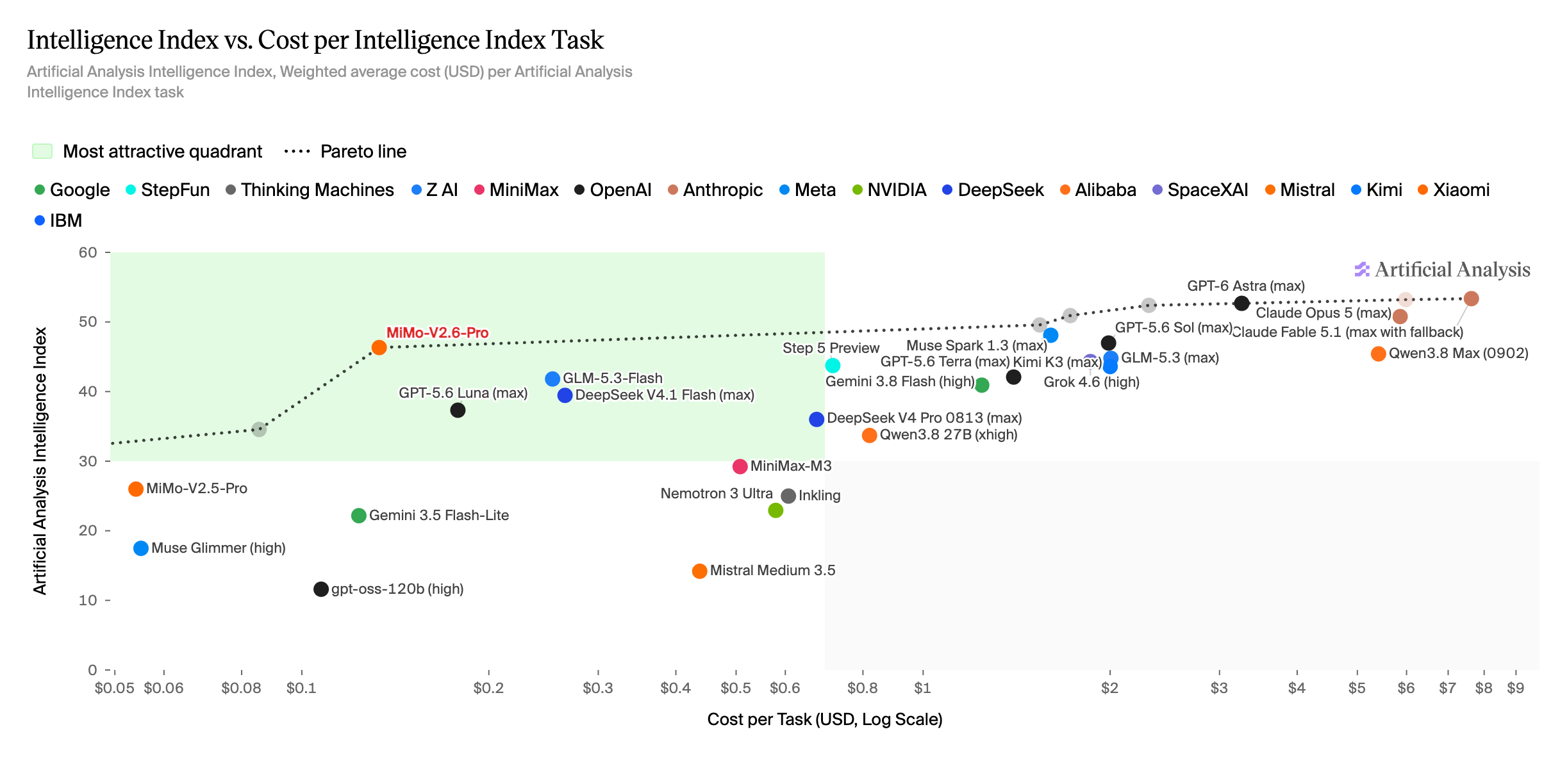
Flash is about one third of Pro's input price and the same output ratio (output is 2x input on both). V2.5 remains the cheaper non-Pro text route at $0.11 input. V2.6 Pro is the model Xiaomi calls its most capable, at almost the same sticker as V2.5 Pro.
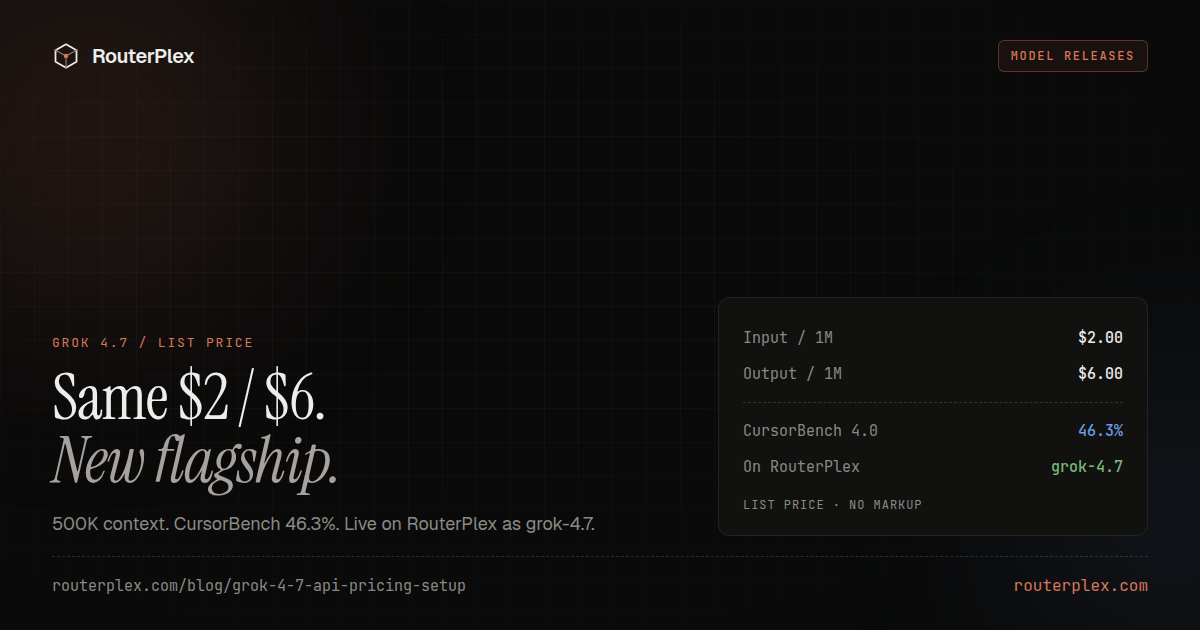
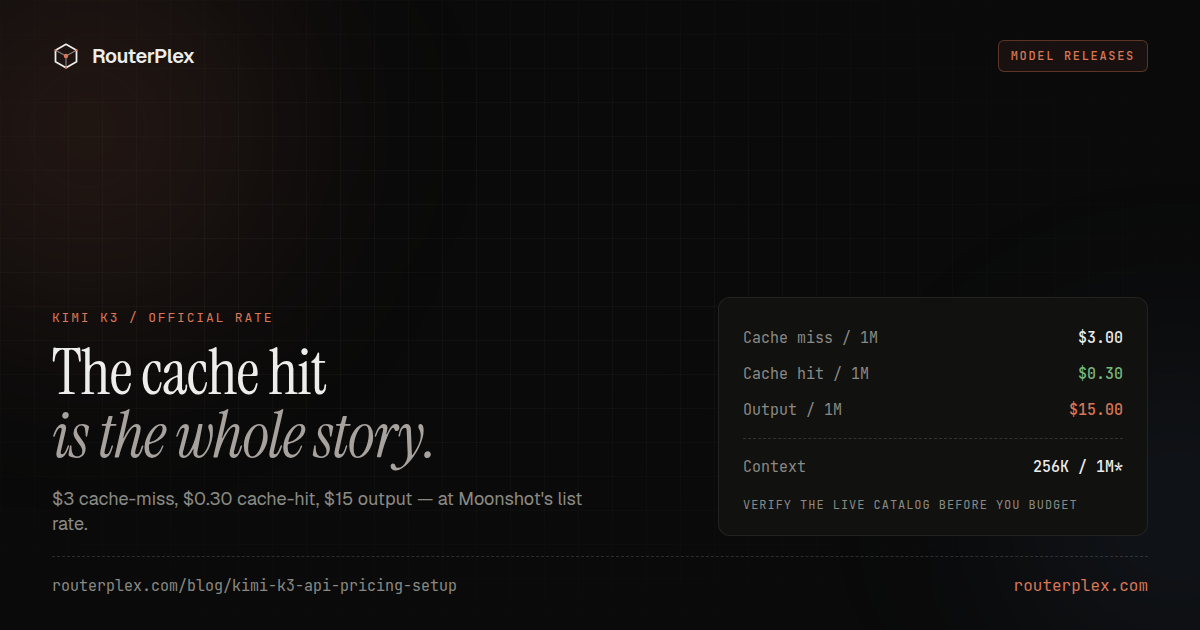
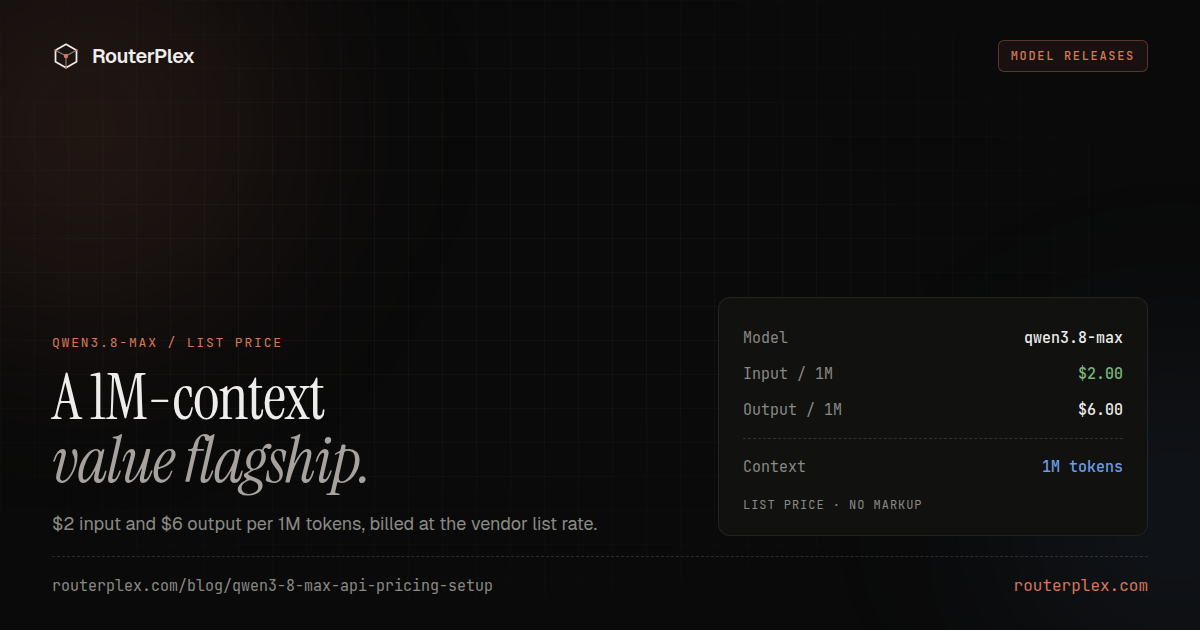
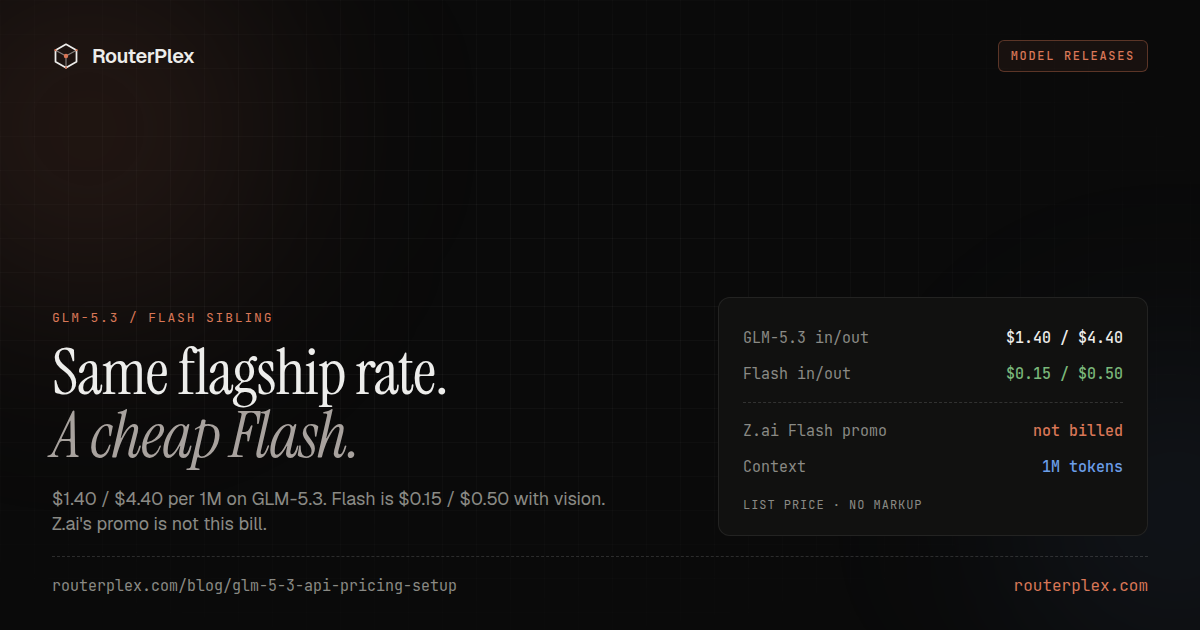
For a wider price board, see Kimi K3 at $3 / $15, Qwen3.8-Max at $2 / $6, GLM-5.3 at $1.40 / $4.40, and Grok 4.7 at $2 / $6. The cheapest models ledger ranks the live catalog.
What Xiaomi measured #
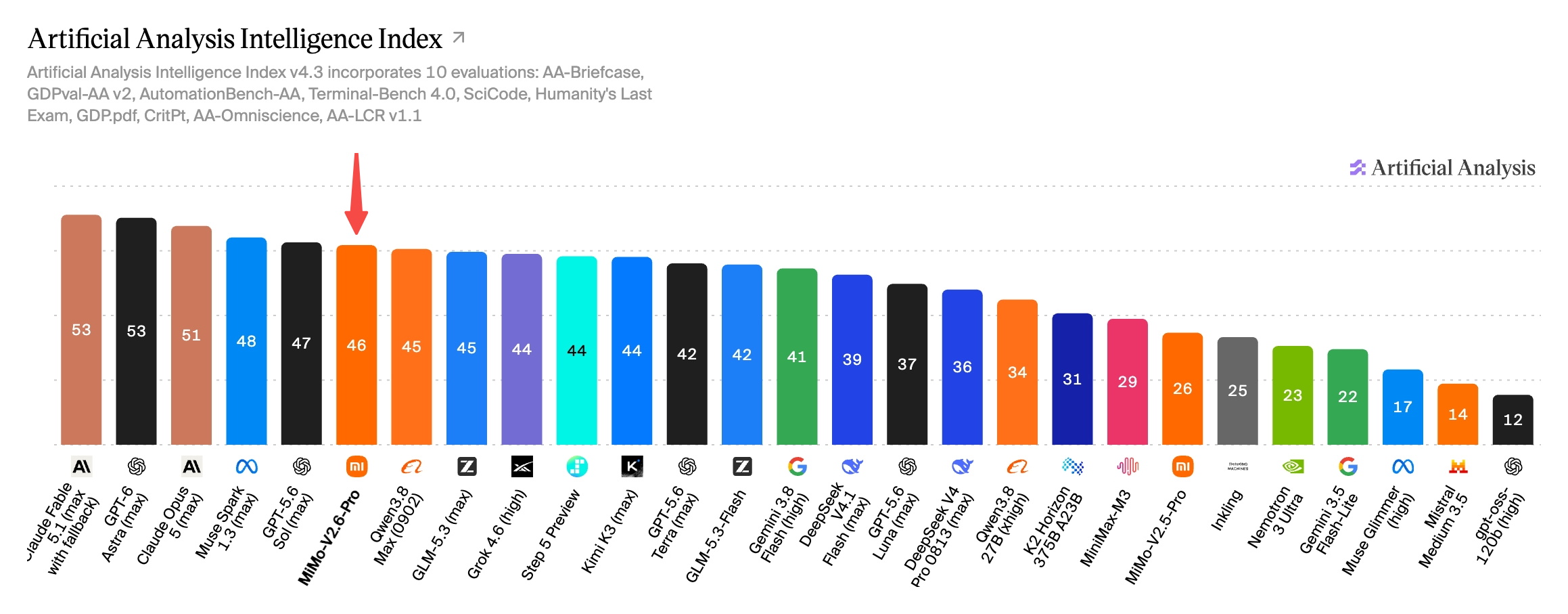
Xiaomi reports 46.32 for MiMo-V2.6-Pro on the Artificial Analysis Intelligence Index v4.3, September 2026. The chart on the launch page rounds that bar to 46 and calls Pro the highest-scoring open-source model on the index, ahead of Kimi K3 and Qwen3.8 Max. Closed models still sit above that bar on the same chart.
The scores below are Xiaomi's public comparison snapshot, dated 22 September 2026, from the launch page's benchmark script. Vendor-run, on tasks Xiaomi chose. The V2.5 column in that script is MiMo-V2.5-Pro. A dash means Xiaomi published no result. Bold marks the highest score in Xiaomi's full snapshot for that row. GDPVal is an Elo rating. MiMo Code Bench and MiMo Visual Coding are marked in-house.
| Benchmark | V2.6 Pro | V2.6 Flash | V2.5 Pro | DeepSeek V4.1 Flash | Kimi K3 | Claude Opus 5 |
|---|---|---|---|---|---|---|
| DeepSWE v1.1 | 71.9 | 67.9 | 19.0 | 74.2 | 69.0 | 74.0 |
| ProgramBench | 26.5 | 26.0 | 12.5 | 20.3 | 24.5 | 37.0 |
| MiMo Code Bench (in-house) | 63.2 | 61.2 | 40.4 | 60.2 | 60.1 | 68.6 |
| GDPVal 2.1 (Elo) | 1,673 | — | 1,107 | 1,600 | 1,524 | 1,708 |
| Toolathlon-verified | 76.9 | 73.6 | 49.1 | — | 76.5 | 80.6 |
| Automation Bench v1.0.6 | 53.1 | 52.3 | 16.0 | 54.8 | 46.7 | 50.3 |
| Terminal-Bench 4.0 | 34.9 | 28.8 | 1.5 | 26.8 | 12.6 | 49.0 |
| Terminal-Bench 2.1 | 89.9 | 87.6 | 65.2 | 90.6 | 88.3 | 89.1 |
| OSWorld-Verified | 82.0 | 80.8 | — | — | 84.8 | 83.4 |
| JobBench | 62.0 | 61.2 | 25.0 | 45.8 | 54.3 | 65.7 |
| MiMo Visual Coding (in-house) | 72.3 | 71.5 | — | 70.6 | 70.3 | 70.0 |
Read the jump from V2.5 Pro carefully. On this snapshot, DeepSWE moves from 19.0 to 71.9 (Pro) and 67.9 (Flash). Terminal-Bench 4.0 moves from 1.5 to 34.9 and 28.8. Opus 5 still leads several agent rows, at a much higher list price on this catalog.
Xiaomi also describes a separate training trajectory on held-out DeepSWE v1.1. Over the RL run, Flash moved from 48.8 to 65.68 and Pro from 58.4 to 72.57. Those are not the same figures as the 67.9 / 71.9 comparison-table row. Cite the pair you mean.
The RL write-up: in under six days, Flash and Pro each ran 30 steps over about 750,000 trajectories, at about $0.85 million (Flash) and $2.62 million (Pro). Xiaomi says training-task pass rate rose 25% and 12% in relative terms. Training used up to 1M context, 1,568 samples per update, and 3.5 to 3.7 billion tokens per step. The tech report, environments, and RL code are linked from the launch post and the Hugging Face collection.
Xiaomi's appendix also includes a cyber section. On that snapshot CyberGym is 94.0 for Pro and 95.1 for Flash. The full grid, including rows this table leaves out, is on the launch page.
What the launch demos show #
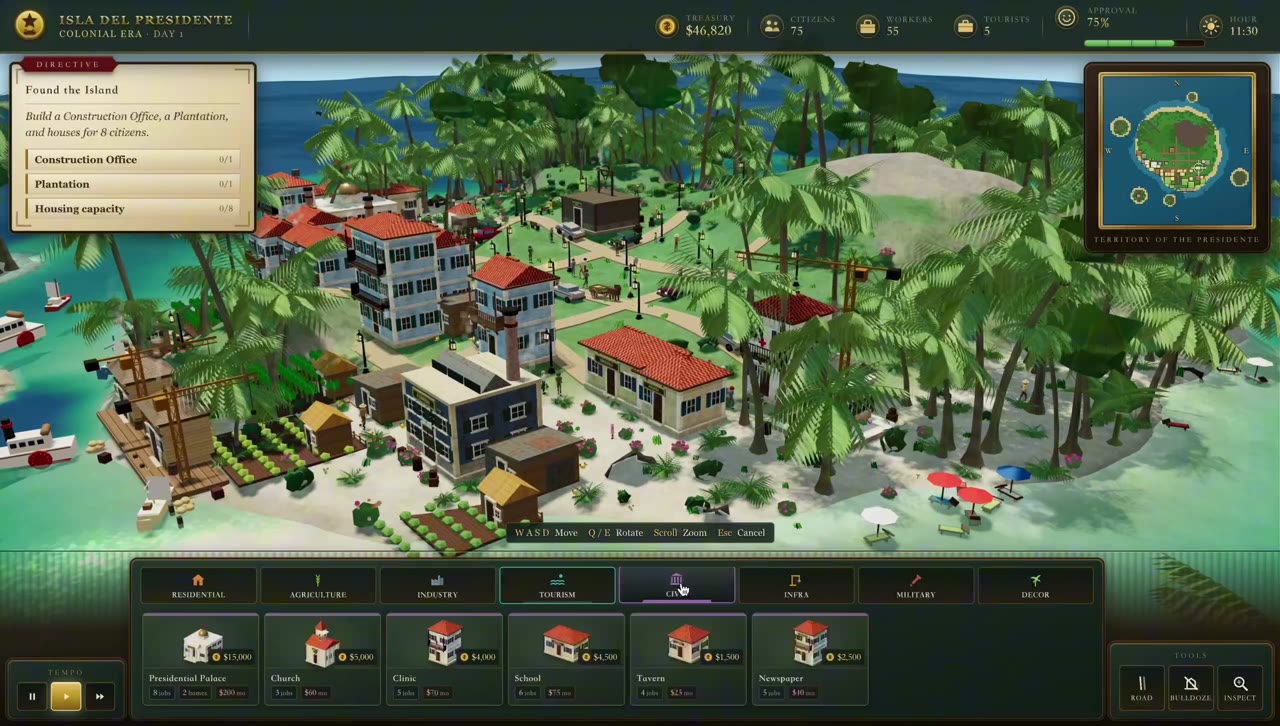
Xiaomi's page is a showcase, not an independent eval. These stills are from that page on 22 September 2026.
The game strip is a generated city-builder. Xiaomi's claim is that a prompt, a harness, and iteration can produce a runnable 3D scene.
The frontend strip is generated marketing sites. This frame is a studio homepage with a coral 3D form and a full-bleed headline.

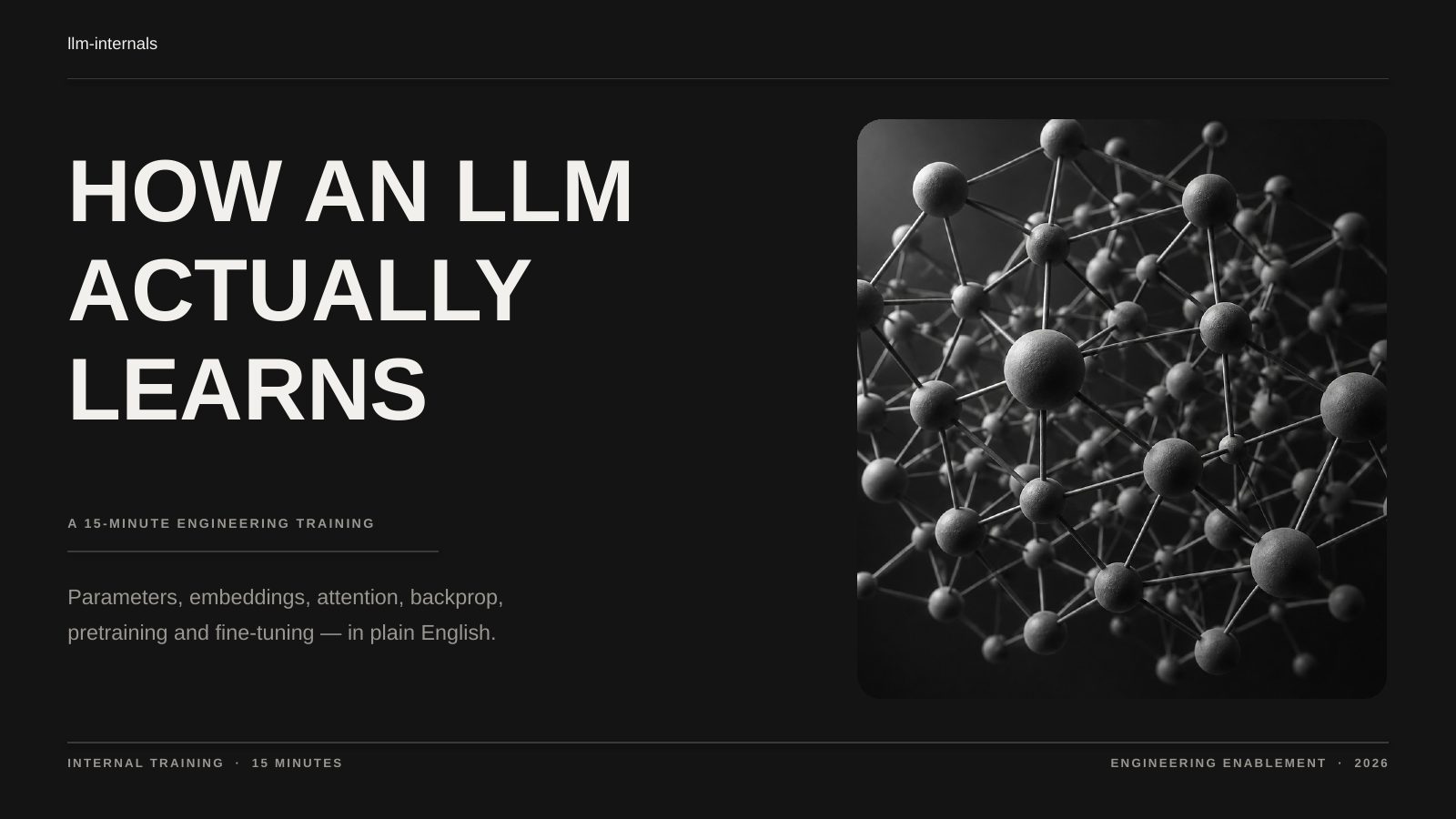
The slide strip is three decks from one-line briefs. This title frame is the internal engineering deck, "How an LLM Actually Learns."
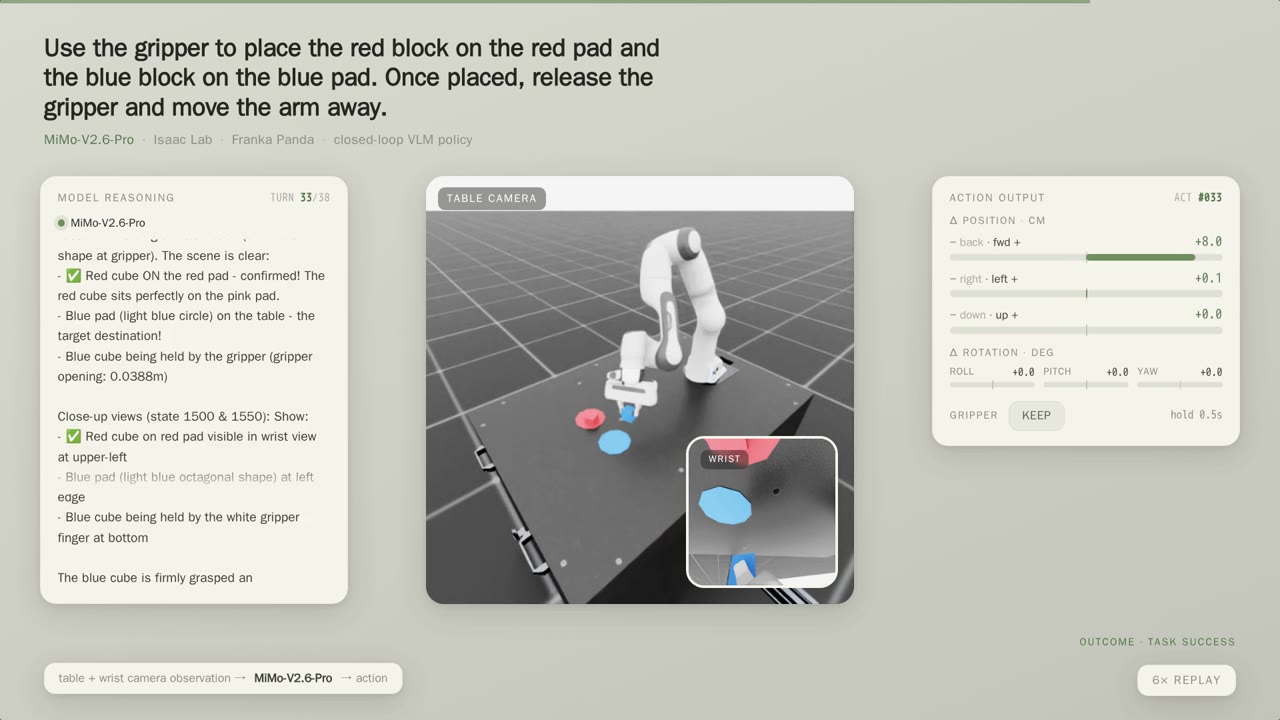
The embodied strip is a closed-loop Franka Panda policy in simulation. The frame labels MiMo-V2.6-Pro, Isaac Lab, table and wrist cameras, and a block-placement task.
Two research write-ups sit next to those demos. Xiaomi's materials case describes Pro searching literature and running computational screening for a metal-organic framework aimed at PFAS adsorption. The Lean case says Pro, with a researcher-designed exploration strategy and no Lean-specific post-training, helped produce a kernel-checked Lean 4 formalization of Li and Yorke's "Period Three Implies Chaos," more than 6,000 lines. The Lean archive is on Xiaomi's CDN. Treat both as vendor case studies.
UltraSpeed is a different SKU #
Xiaomi also lists MiMo-V2.6-Pro-UltraSpeed: up to 20x output speed, same quality, at $4.35 input and $8.70 output per 1M tokens on the 22 September 2026 table. Cache-hit input on that row is $0.036. That is about 10x the Pro sticker.
RouterPlex has no UltraSpeed model ID. mimo-v2.6-pro is the standard Pro rate, $0.435 / $0.87. If a Xiaomi or OpenRouter screenshot shows UltraSpeed, that is their serving mode.
What the catalog actually lists #
Live RouterPlex rows, checked 22 September 2026:
| Capability | mimo-v2.6-pro | mimo-v2.6-flash |
|---|---|---|
| Provider | Xiaomi | Xiaomi |
| Context window | 1,048,576 | 1,048,576 |
| Max output per request | 131,072 | 131,072 |
| Image input | Yes | Yes |
| Tool calling | Yes | Yes |
| Reasoning | Yes | Yes |
| Separate cache-read price | No | No |
| Pricing basis | Vendor list, 0% markup | Vendor list, 0% markup |
Prepaid balance. The request stops at $0. A hard per-key budget is the other stop. There is no top-up fee on the RouterPlex side of these rates.
Both are reasoning models, so reasoning tokens bill as output. A short visible answer can still be a long completion. Check usage.completion_tokens_details.reasoning_tokens when a simple prompt costs more than the text you see.
Xiaomi describes the series as natively omnimodal, including video and audio workflows in MiMo Desktop and the API platform. The RouterPlex rows above are the image, tool, and reasoning route. Send images with the usual image_url block. Do your audio and video calls on Xiaomi's own surfaces until this catalog grows a row for them.
Call MiMo-V2.6 on RouterPlex #
Create a RouterPlex key, give it a hard budget, and send a normal chat completion. Pro:
curl https://api.routerplex.com/v1/chat/completions \-H "Authorization: Bearer $ROUTERPLEX_API_KEY" \-H "Content-Type: application/json" \-d '{"model": "mimo-v2.6-pro","messages": [{"role": "user", "content": "Name the riskiest assumption in this migration plan."}]}'
Flash uses the same client. Only the model ID changes:
import osfrom openai import OpenAIclient = OpenAI(api_key=os.environ["ROUTERPLEX_API_KEY"],base_url="https://api.routerplex.com/v1",)response = client.chat.completions.create(model="mimo-v2.6-flash",messages=[{"role": "user", "content": "Draft a rollback checklist for this deploy."}],)print(response.choices[0].message.content)
Claude Code and the Anthropic SDK reach the same IDs through the Anthropic-compatible format. Set ANTHROPIC_BASE_URL=https://api.routerplex.com and use mimo-v2.6-pro or mimo-v2.6-flash. The Claude Code setup guide has the full configuration. Any OpenAI-compatible client follows the OpenAI-compatible API notes: base URL, key, and the catalog ID.
Which ID to send #
- Long agent loops and coding volume. Start on Flash. $0.14 / $0.28, and on Xiaomi's snapshot it sits close to Pro on DeepSWE (67.9 vs 71.9), Automation Bench (52.3 vs 53.1), and OSWorld-Verified (80.8 vs 82.0).
- The hardest open-source agent task you can buy at this sticker. Use Pro. Same context and the same tools, about 3x the input price, and the model Xiaomi puts at 46.32 on the Intelligence Index.
- The $0.11 input route.
mimo-v2.5is still live. It is cheaper than Flash on input and keeps image input. It is the previous generation. - Cache-heavy prefixes. Bill both V2.6 IDs at full input until the model page shows Xiaomi's cache-hit rate.
- 20x output speed. That is UltraSpeed, at $4.35 / $8.70 on Xiaomi's table. It is a Xiaomi and OpenRouter SKU.
Both V2.6 IDs are on RouterPlex at Xiaomi's published list prices, with no per-token markup, so you can A/B them on one prepaid key. See MiMo-V2.6 Pro, MiMo-V2.6 Flash, or create a key and send the curl above.
Common questions
Frequently asked questions
How much does the MiMo-V2.6 Pro API cost?
Xiaomi lists MiMo-V2.6-Pro at $0.435 per 1M input tokens and $0.87 per 1M output tokens. RouterPlex bills those list rates on model ID mimo-v2.6-pro with no per-token markup. Cached prompt tokens currently bill at the full $0.435 input rate.
How much does the MiMo-V2.6 Flash API cost?
Xiaomi lists MiMo-V2.6-Flash at $0.14 per 1M input tokens and $0.28 per 1M output tokens. RouterPlex bills those list rates on model ID mimo-v2.6-flash. Cached prompt tokens currently bill at the full $0.14 input rate.
Are MiMo-V2.6 Pro and Flash live on RouterPlex?
Yes. The model IDs are mimo-v2.6-pro and mimo-v2.6-flash. Both were on the public catalog on 22 September 2026, with 1,048,576 tokens of context, a 131,072-token output cap, image input, tool calling, and reasoning.
What is the MiMo-V2.6 context window?
The live RouterPlex catalog lists 1,048,576 tokens for both mimo-v2.6-pro and mimo-v2.6-flash. Max output per request is 131,072 tokens.
Does MiMo-V2.6 support images and tool calling?
On RouterPlex, both v2.6 IDs are marked vision, tool calling, and reasoning. Image input uses the standard OpenAI image_url content block. Xiaomi also describes the models as natively omnimodal. Audio and video inputs are a Xiaomi product surface, and this catalog row is the image, tool, and reasoning route.
What is MiMo-V2.6-Pro-UltraSpeed?
UltraSpeed is Xiaomi's faster Pro serving mode, up to 20x output speed at the same quality, priced at $4.35 input and $8.70 output per 1M tokens on Xiaomi's 22 September 2026 table. RouterPlex has no UltraSpeed model ID.
Can I use MiMo-V2.6 with the OpenAI SDK or Claude Code?
Yes. Point the OpenAI SDK at https://api.routerplex.com/v1 and set the model to mimo-v2.6-pro or mimo-v2.6-flash. Claude Code uses ANTHROPIC_BASE_URL=https://api.routerplex.com with the same model ID.
Run the smallest paid test.
Add $5, cap the key, and verify the result with your own workload. No subscription, and credit never expires — a first top-up of $25+ is matched with $25 extra.